Synopsis
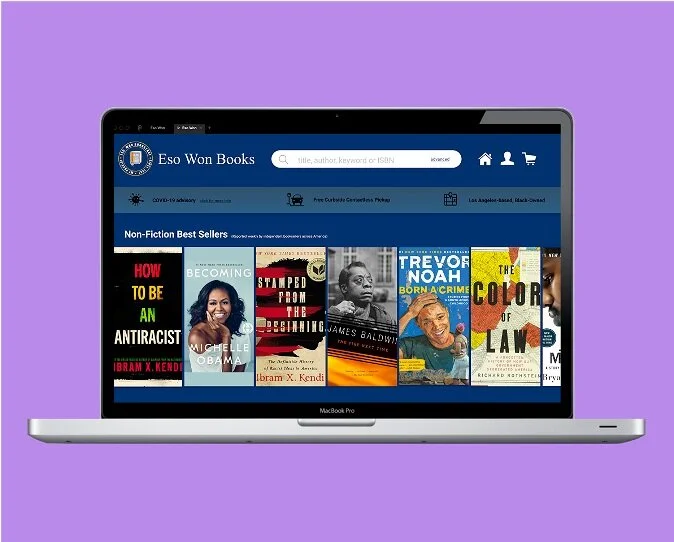
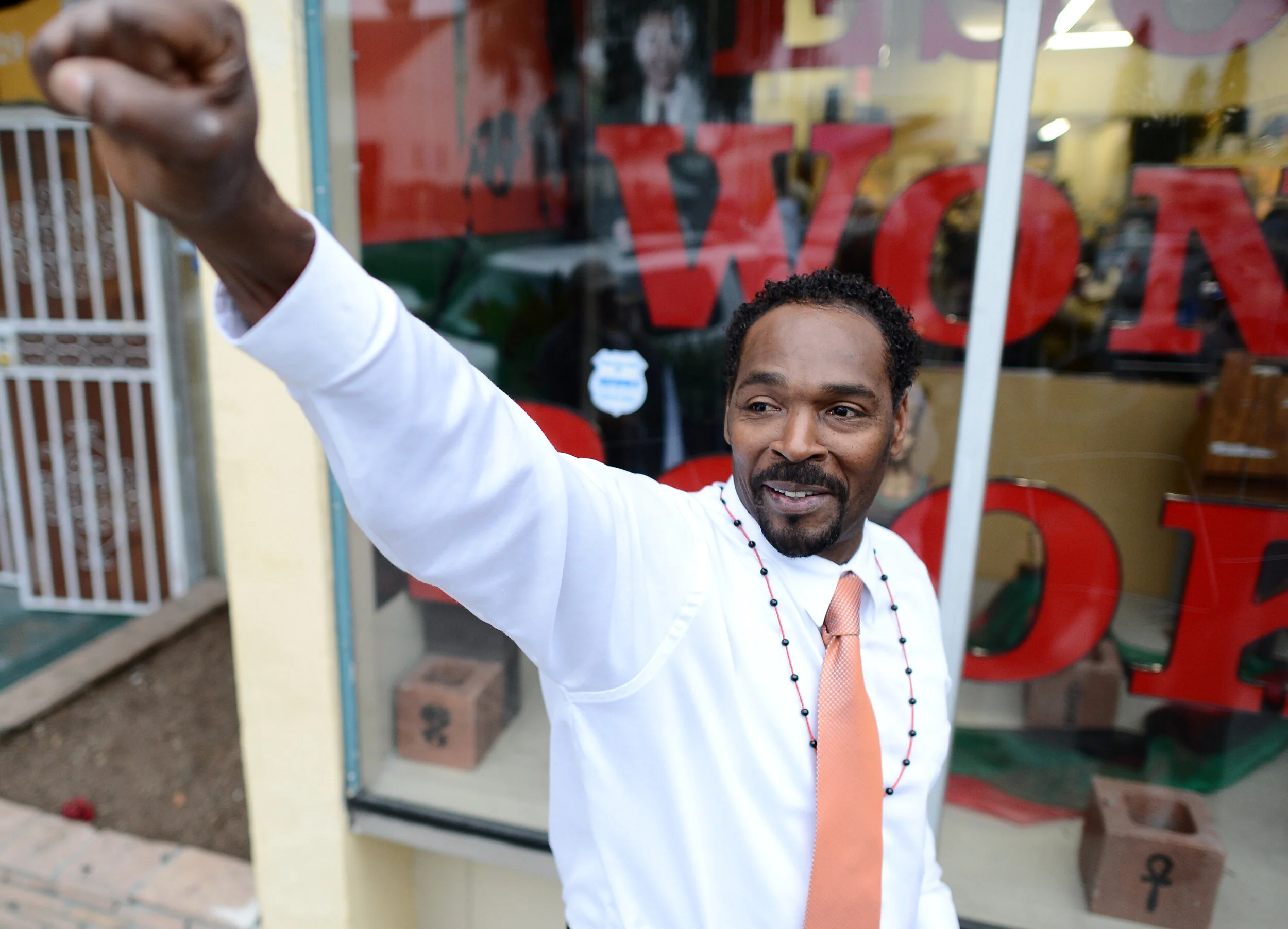
Eso Won Books is an independent Black-owned bookstore in the heart of Los Angeles that has emerged as a hub of activity for African Americans, from literati to casual book browsers.
The store offers a large selection of books on nearly every subject related to African American history and more.
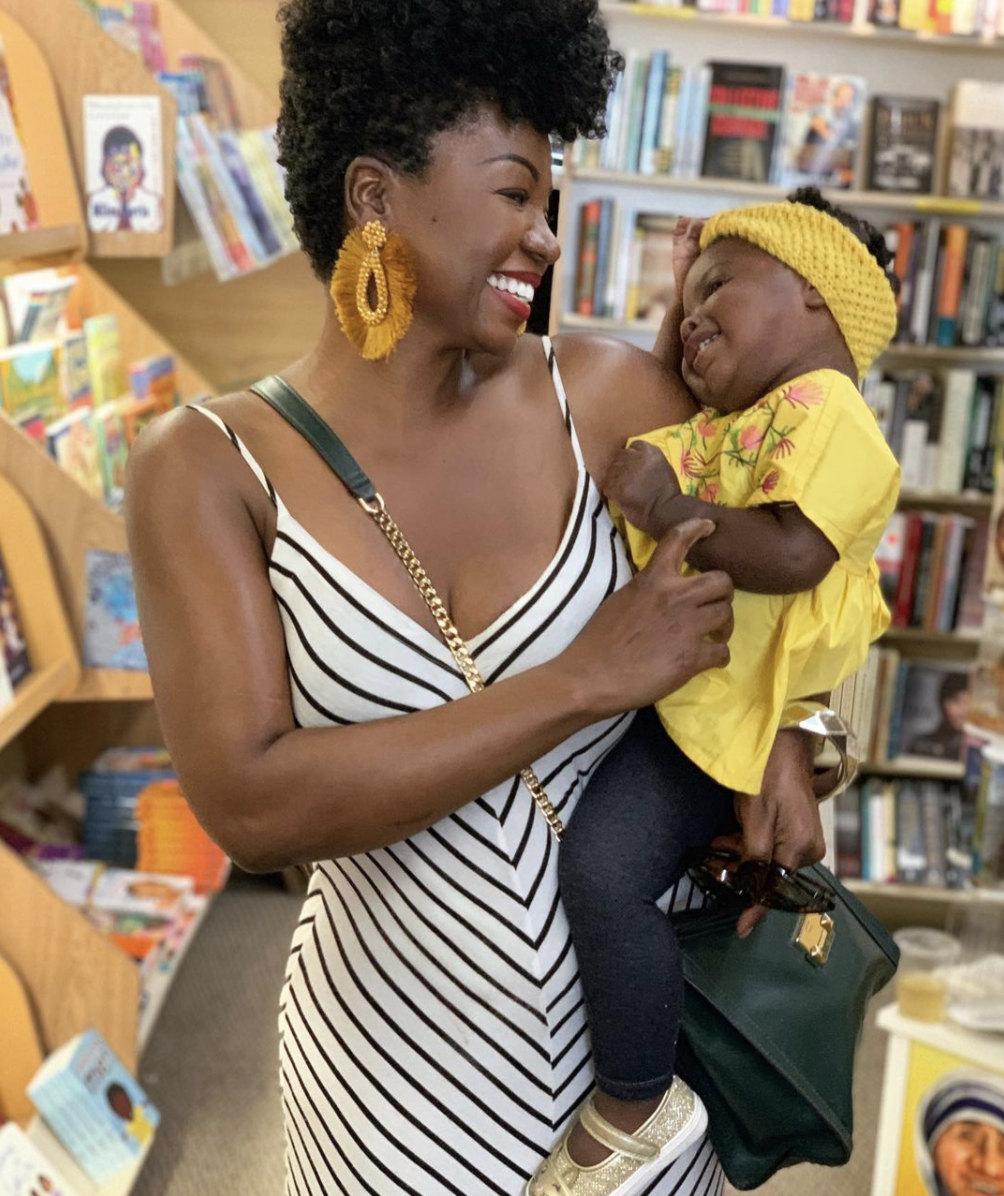
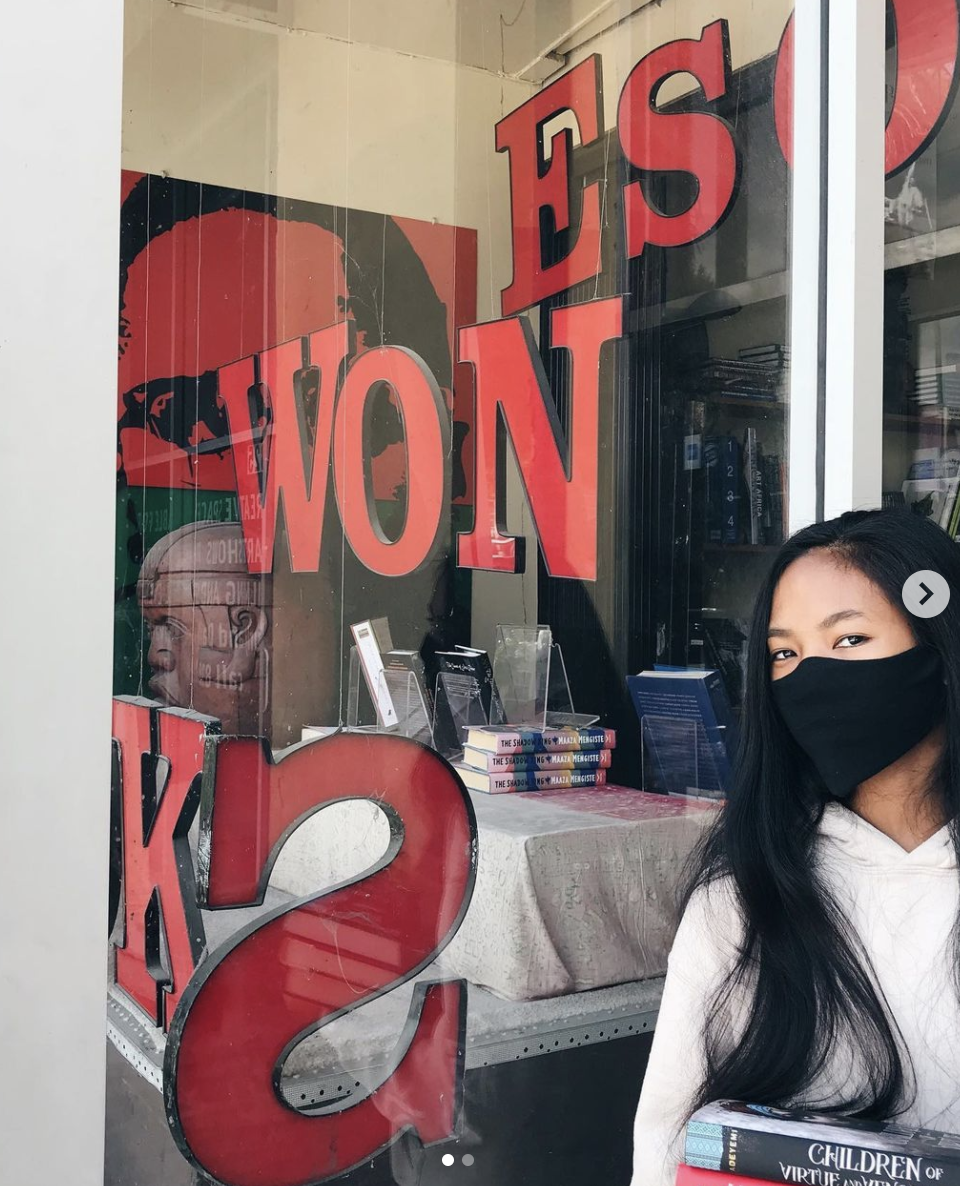
Due to COVID-19, shelter-in-place orders have forced many of these small, local, and independent businesses to shift their consumer strategy away from in-store purchases, towards a sustainable curbside-pickup & delivery business model.
The objective for this 2-week sprint was to improve and optimize Eso Won’s online bookstore experience and introduce a curbside-pickup option.
End deliverable
A high-fidelity desktop website that included a curbside pickup option.
- Role
- UX Designer
- Team
- Solo project
- Duration
- 2-week sprint
- Approach
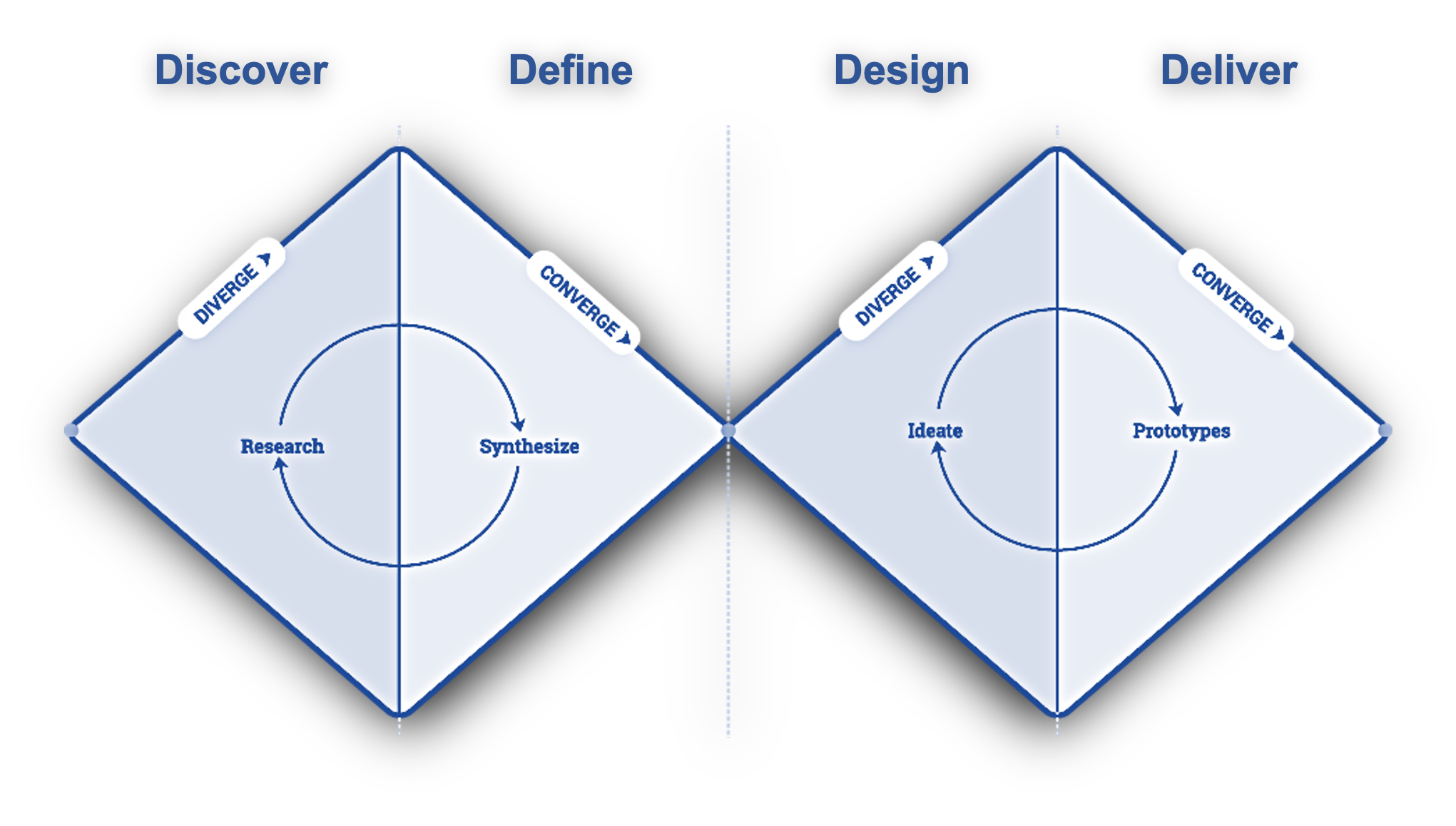
- Double Diamond (design process model)
- Tools
- Figma · Miro & Whimsical · Adobe Creative Suite · Zoom & Slack · Google & Microsoft Suites
Problem & Solution
Our users needed to speedily and efficiently navigate Eso Won’s website to ultimately purchase and pick up their desired book(s) curbside.
I solved for this by designing a frictionless e-commerce experience that incorporates conventional design patterns, and one that offers a curbside pickup option.
Eso Won’s website redesign will facilitate the purchase of books online, and consequently strengthen its client relationships and increase client retention.
Eso Won strives to be a reservoir of knowledge for all people
I began by thoroughly learning about Eso Won’s business model and company ethos and was delightfully surprised to find a rich history within the confines of the bookstore and beyond.
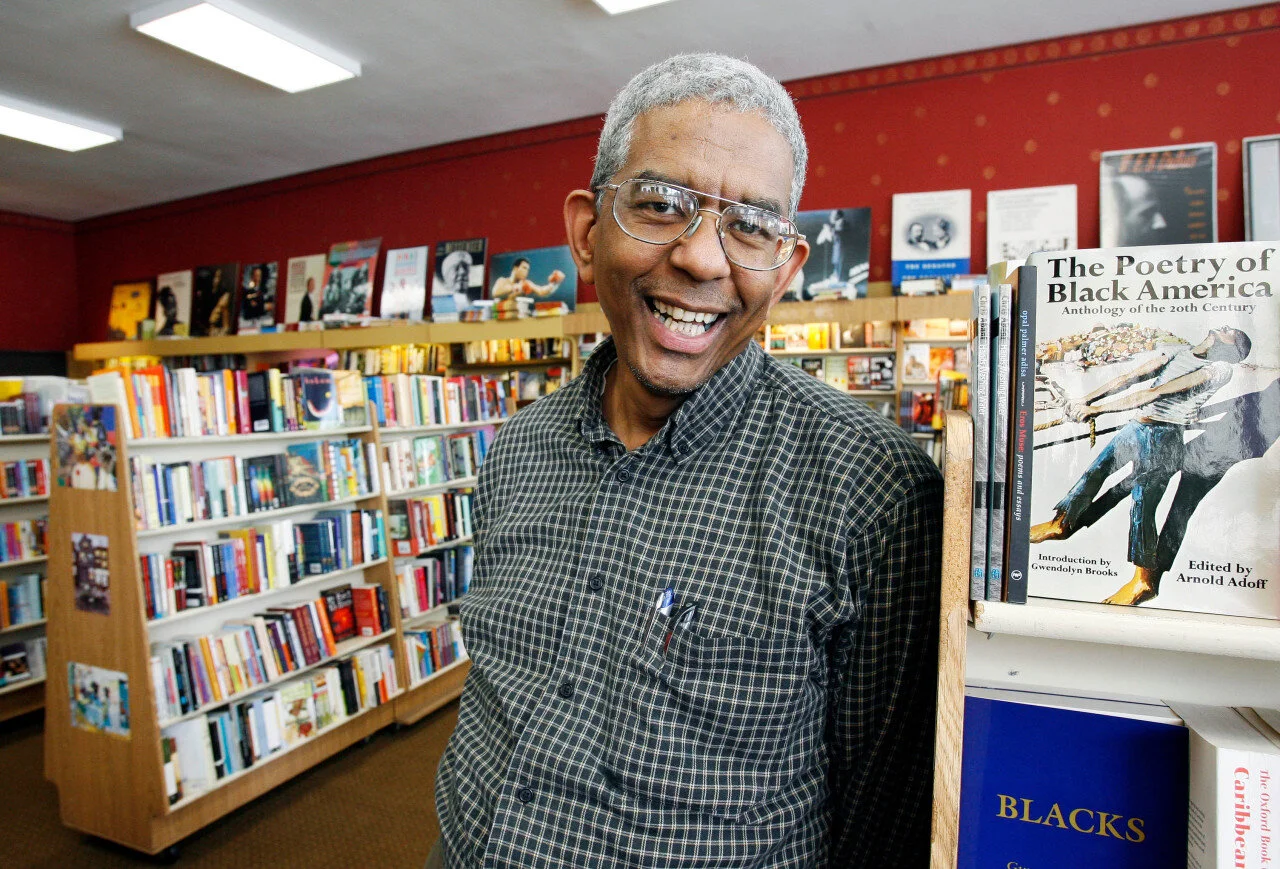
Since the store’s inception, James’ (Eso Won’s co-owner) philosophy has been to welcome whomever walks through the door regardless of status or background.
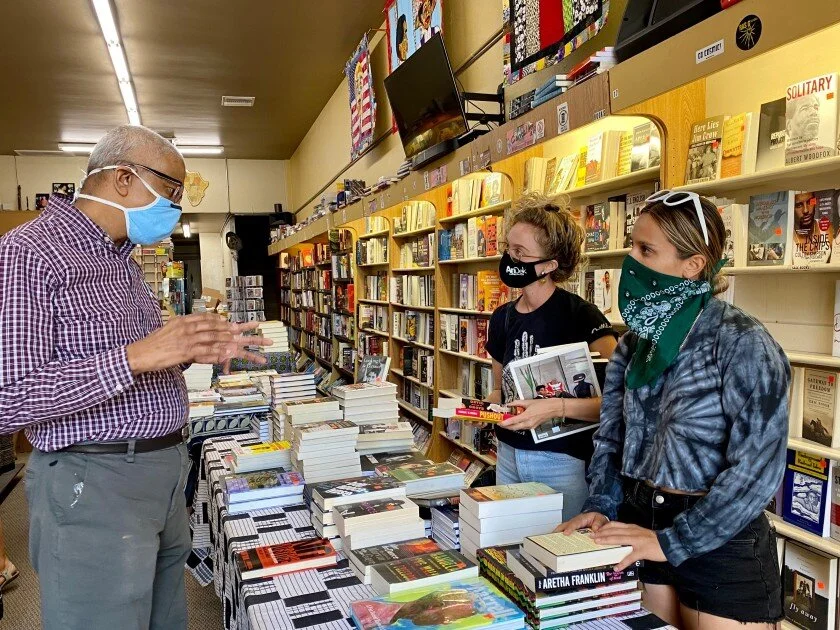
In 1995 for example, Eso Won welcomed Barack Obama’s first signing for his memoir, “Dreams From My Father,” where only 10 people attended — five of them worked at the bookstore.
Eso Won’s goal has been to provide a tailored and warm experience for all those who walk through its doors. The completed redesign will serve to bridge the ongoing dialog between Eso Won and its users; and will be a continuation of the company’s long-standing user-centric approach.
Understanding our users
Once I had a strong grasp of Eso Won’s business model and company ethos, I proceeded to thoroughly understand its users.
“Eso Won Books’ specific mission is to make sure Black authors always have a home. This is important to me, not because it’s the world that I spring from but because it is the river I continue to drink from.”

I perused various Eso Won-related articles published by notable sources like NPR and The Los Angeles Times, scrutinized hundreds of Google and Yelp reviews, discovered a user’s testimony on YouTube, and examined dozens of images and captions on Instagram.
The aforementioned qualitative research allowed me to identify the inextricably genuine, organic, and reciprocal relationship between Eso Won and its users.
Eso Won’s customers praised the company’s utmost devotion to its users and appreciated the bookstore’s unwavering commitment of imparting knowledge to all those who seek it.
Searching across the e-commerce ecosystem
The research phase also consisted of exploring the e-commerce ecosystem to understand the digital landscape among competitors and comparators.
This research included:
- 34 “locally-owned” online bookstores
- 9 Black-owned online bookstores
- 2 major competitors (i.e. Barnes & Noble, Amazon)
- 13 additional online sites (i.e. Best Buy, Netflix, among others…)
For direct competitors, my strategic approach began with examining other independently-owned bookstores and subsequently validating patterns by studying two of the biggest names in online book shopping — Amazon and Barnes & Noble.
I discovered the following recurring conventional patterns across the e-commerce ecosystem:
- Branding Logo located in Top Left corner of page
- Shopping Cart located in Top Right corner of page
- My Account located in Top Right corner of page
- Search Bar located across the Top of page
Identifying conventional patterns for Curbside Pickup
Business Insider offered a comprehensive list of prominent stores offering curbside pickup (e.g. Target, Walmart, etc.).
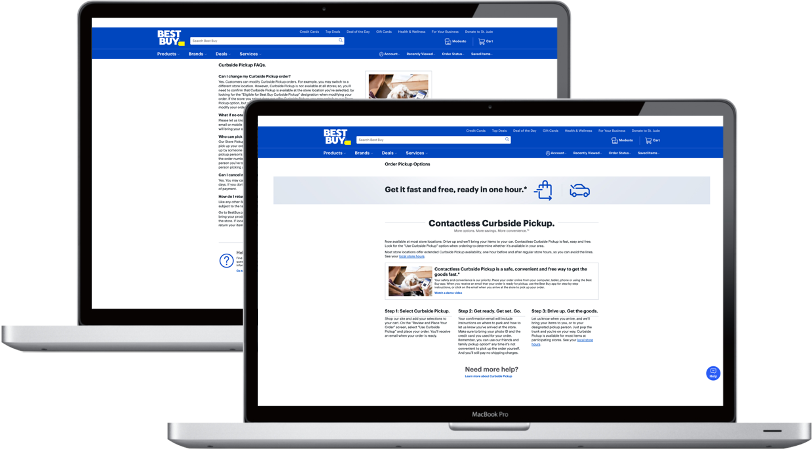
Best Buy’s website particularly stood out as it shared the most number of overlapping curbside pickup features across all e-commerce sites.
Best Buy also skillfully anticipated its users’ needs by offering an educational page on the mechanics of curbside pickup, and a dedicated page offering a comprehensive list of frequently asked questions.
Given the pervasiveness of the COVID-19 pandemic, companies have also been forced to adopt the best practice of displaying a COVID-19 advisory message on their landing pages.
Since I would already be claiming real estate across the top part of the user’s screen, the next step was to make best use of the remaining unused space by adding a COVID-19 message.
I adhered to CDC guidelines to subtly inform our users about Eso Won’s proactiveness in ensuring the health and safety of all people.
Love at first sight — Leveraging the Power of Images
Another recurring pattern across competitors and comparators is the use of eye-catching and visually-descriptive images to promote products.
These sites often offered a list of featured products, along with the opportunity for users to browse such products by categories.
Among comparators, Netflix emerged as one of the few sites that recognized that 75% of online shoppers rely on product photos when deciding on a potential purchase.
Netflix leverages the power of visual images for its featured list of products and its genre categories.
Shopping Priorities & The Busy Buyer
With a solid grasp of Eso Won’s mission and upon learning about its customers, I shifted focus towards defining users’ shopping priorities.
Secondary research presents us with four segments of shopping priorities, and assigns a descriptive label for each.
Given a constrained 2-week timeframe, solving for Busy Buyers allows us to effectively build a speedy and frictionless user experience, while simultaneously creating a solid foundation to eventually design around the remaining personas.
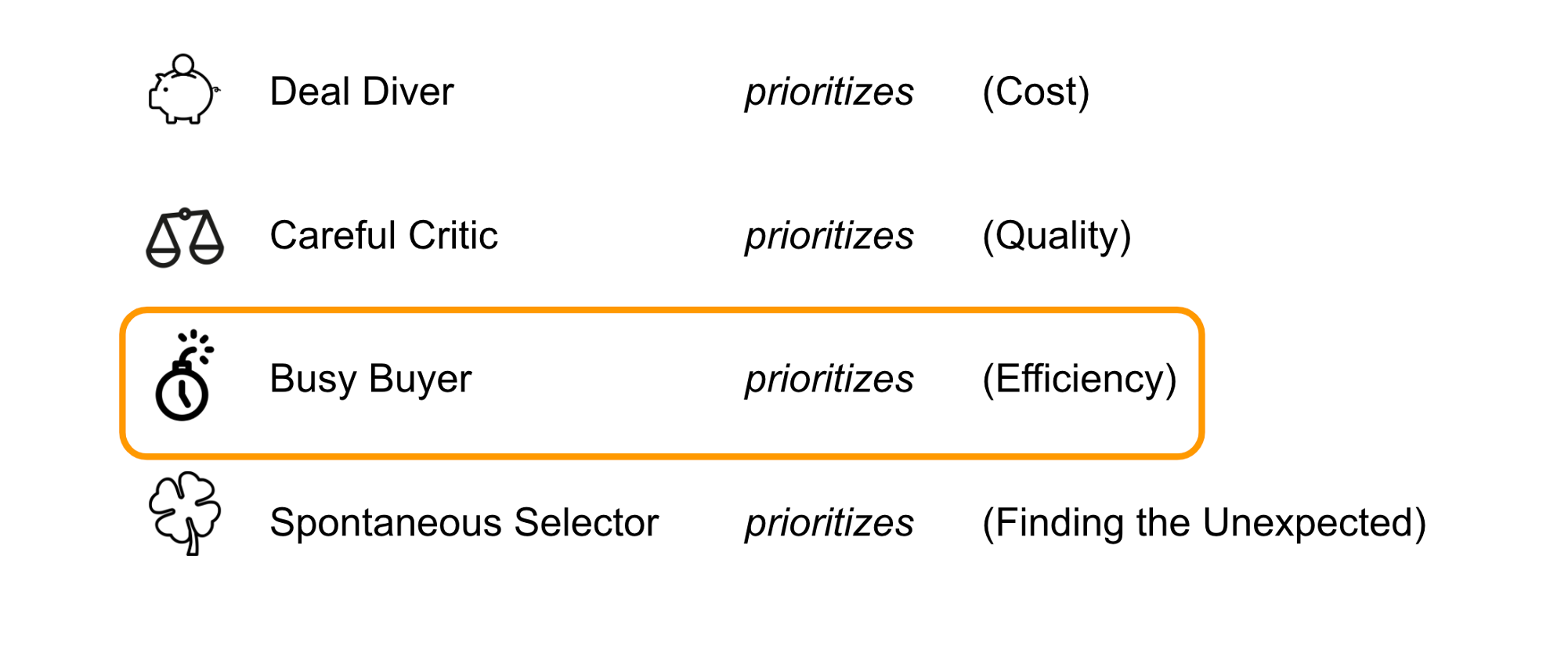
Based on extensive primary research, coupled with secondary research provided by my advising team from General Assembly, we also discovered relevant and meaningful commonalities across our users.
We learned that Busy Buyers are:
- Eager to learn about Black literature written by Black authors
- Curious to learn about suggested reading from knowledgeable staff
- Cautious about COVID and thus, in need of curbside pickup
- Supportive of local independent businesses
The Busy Buyer ultimately became the grounding principle as I created user flows, sketches, and medium-fidelity wireframes.
Key Consideration — Proceed as a guest!
All users interviewed (even non-Busy Buyers) preferred to not be forced to create an account.
Usability tests revealed that the once-common practice of asking customers to register before moving into checkout was no longer the preferred UX pattern.
Also, most of the major e-commerce sites examined offered some form of guest checkout.
Offering the option to proceed as a guest will satisfy our Busy User’s need for speed and efficiency, all while reducing client drop off rates.
Success! — Before & After
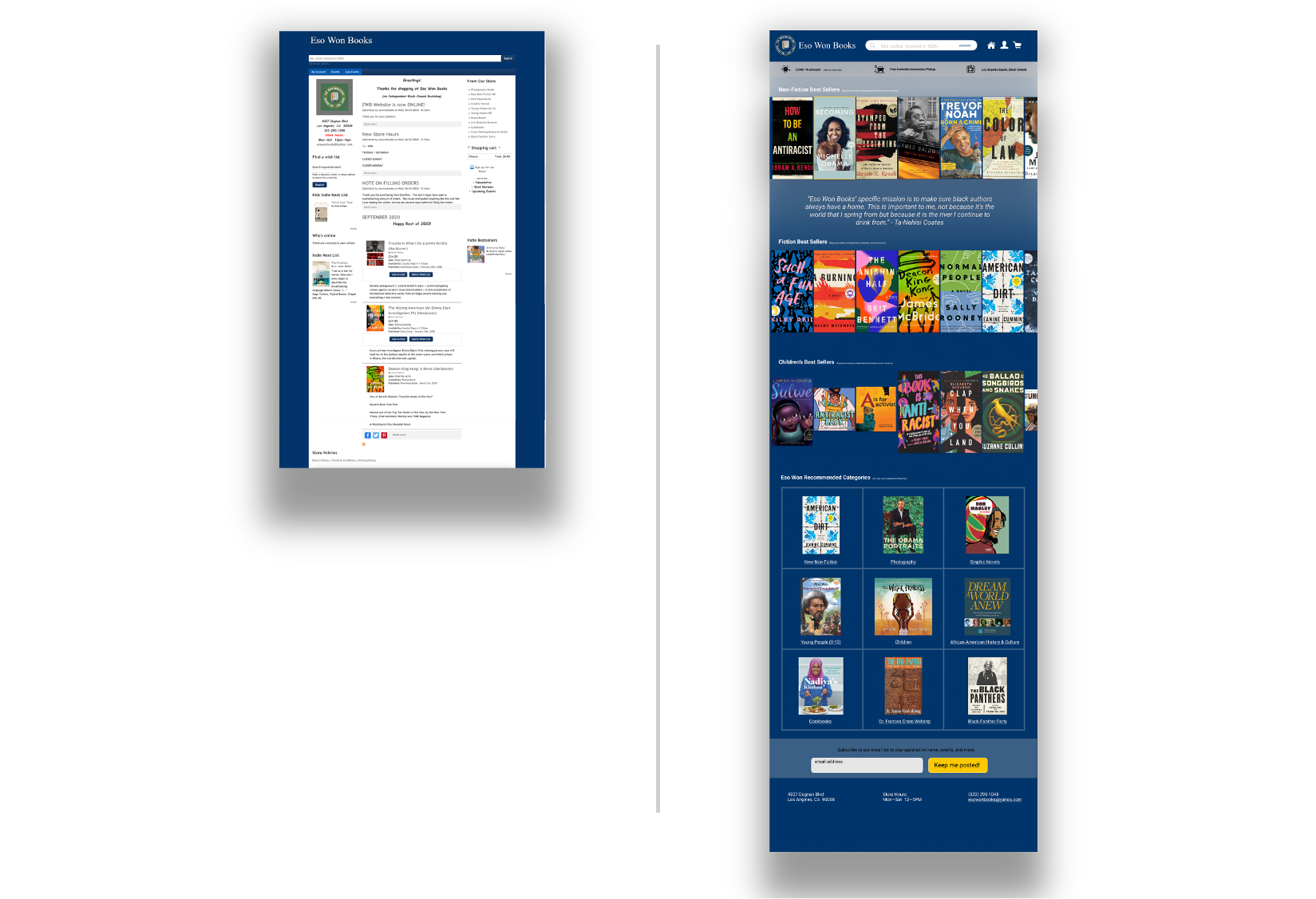
Our newly redesigned site helped expedite the check out process for all of our testers while simultaneously offering a digitized version for how Eso Won has always treated all those who have stepped foot inside the physical bookstore — with efficacy and efficiency.
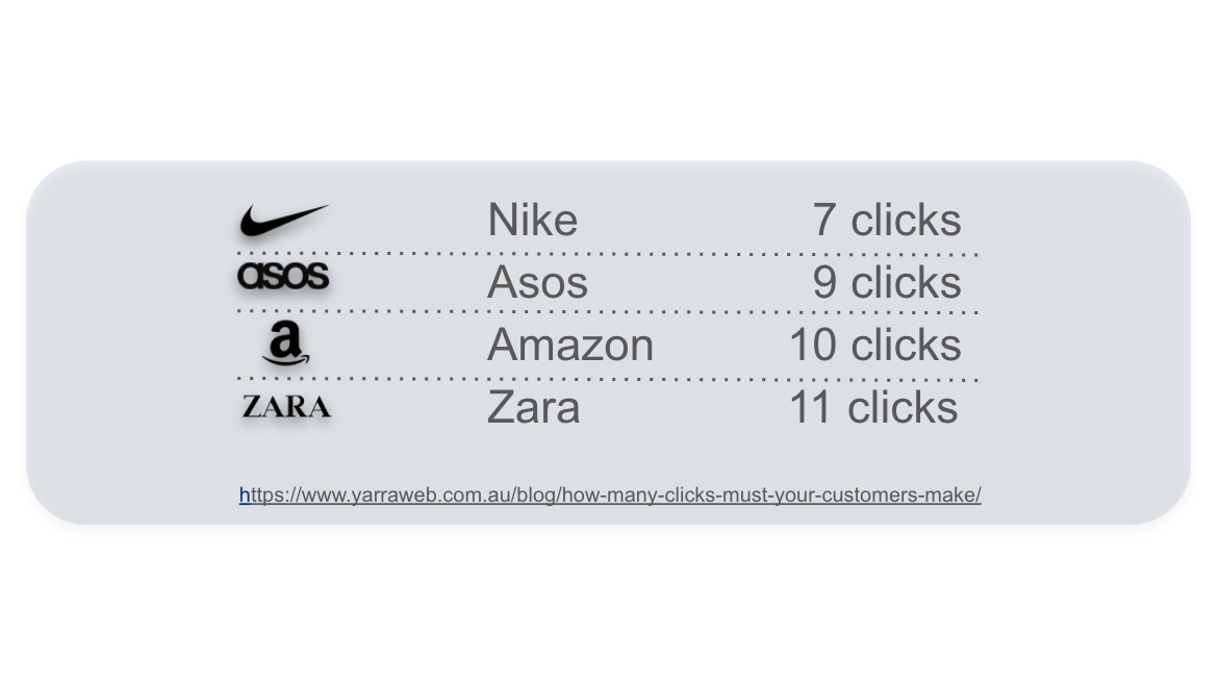
Additionally, I successfully condensed what some sites have as a 7 to 11-click process into a 5-click checkout process — all into a single page form!
Eso Won Books in action! — High-Fidelity Prototype
Extending our user base — Next steps for Eso Won
Our reiterative process prompts us to not only continue refining our current solution for Busy Buyers, but to also incorporate the remaining users into our e-commerce experience. The recommended next steps suggest that we:
- Collect feedback from Busy Buyers to refine their UX experience
- Prioritize remaining buyer personas and methodically incorporate these into our UX design
- Explore profile customization & gamification of profile accounts to increase user retention
- Leverage Eso Won’s rich history and introduce an ‘About Us’ / ‘Our Story’ tab
- Leverage Eso Won’s institutional knowledge and customize user journeys with curated reading